
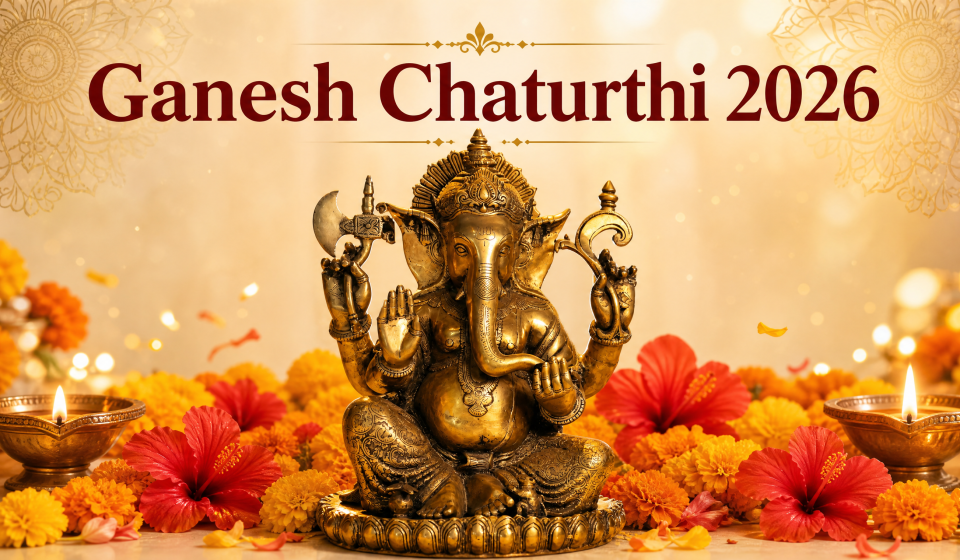
The vibrant rhythm of dhow-tasha, the sweet aroma of freshly steamed modaks, and chants of “Ganpati Bappa Morya” signal the arrival of Ganeshotsav. Celebrated across India with immense fervor—especially in Maharashtra, Goa, Karnataka, and Telangana—the Ganpati festival honors the birth of Lord Ganesha, the remover of obstacles (Vighnaharta) and the god of new beginnings.
Whether welcoming Bappa home for the first time or planning community pandal festivities, here is everything you need to know about key dates, puja timings, rituals, and eco-friendly celebration ideas.
Important Dates and Sthapana Muhurat for 2026
Ganesha Chaturthi falls on the fourth day (Chaturthi Tithi) of the waxing moon phase (Shukla Paksha) in the Hindu month of Bhadrapada.
| Key Event | Date | Auspicious Window / Tithi |
| Ganesh Chaturthi (Sthapana) | Monday, September 14, 2026 | Tithi begins at 07:06 AM |
| Madhyahna Ganesha Puja Muhurat | September 14, 2026 | 10:55 AM – 01:25 PM |
| Gauri Avahan (where observed) | September 18, 2026 | Morning to Afternoon |
| Anant Chaturdashi (Visarjan) | Wednesday, September 23, 2026 | Full-day immersion muhurat |
5 Essential Rituals of Ganeshotsav
The traditional 10-day celebration incorporates ancient Vedic customs divided into four key stages:
- Avahana and Pranapratishtha: Invoking the life force into the murti using sacred Sanskrit mantras.
- Shodashopachara Puja: A 16-step worship ritual involving offerings of red hibiscus (jaswand), 21 blades of durva grass, chandan (sandalwood paste), and unbroken rice grains (akshata).
- Naivedya (Bhog): Serving Bappa’s favorite delicacies, primarily steamed ukadiche modaks, motichoor laddus, and panchakadya.
- Daily Aarti: Morning and evening prayer chants performed with the brass bell and deepak.
- Uttarpuja and Visarjan: A farewell prayer seeking blessings and forgiveness, followed by immersion, symbolizing the cycle of creation and return to nature.
How to Celebrate an Eco-Friendly Ganesha Festival at Home
In recent years, Ganeshotsav has seen a major shift toward sustainable celebrations. Traditional Plaster of Paris (PoP) idols take months to dissolve and release toxic chemical paints into water bodies.
- Adopt Clay or Seed Idols: Opt for natural clay (shadu maati) or seed idols (tree Ganesha) that dissolve in water within hours and sprout into a plant.
- Floral Decor Over Thermocol: Replace non-biodegradable thermocol makhar backdrops with marigolds, banana leaves, brass lamps, and fabric drapes.
- Home Immersion (Gharat Visarjan): Immerse your clay idol in a large copper drum or garden planter at home, and use the enriched soil to nurture your household plants.
Frequently Asked Questions (FAQs)
What is the best time for Ganesha Sthapana on September 14, 2026?
The most auspicious period is the Madhyahna Muhurat (midday), running approximately from 10:55 AM to 01:25 PM, which aligns with the time Lord Ganesha is believed to have been born.
Why are 21 Durva grass blades offered to Lord Ganesha?
According to Hindu legend, Ganesha swallowed the demon Analasura, causing an immense burning sensation in his belly. Sages offered 21 blades of cooling durva grass, which neutralized the heat. Offering durva symbolizes offering purity, humility, and peace of mind.
How many days is Ganpati kept at home?
The duration is flexible. Families typically host Bappa for 1.5 days, 3 days, 5 days, 7 days, or the full 10 days until Anant Chaturdashi, depending on family tradition (kulachaar).
